Can You Get Porcelain Veneers If You Have TMJ Symptoms?

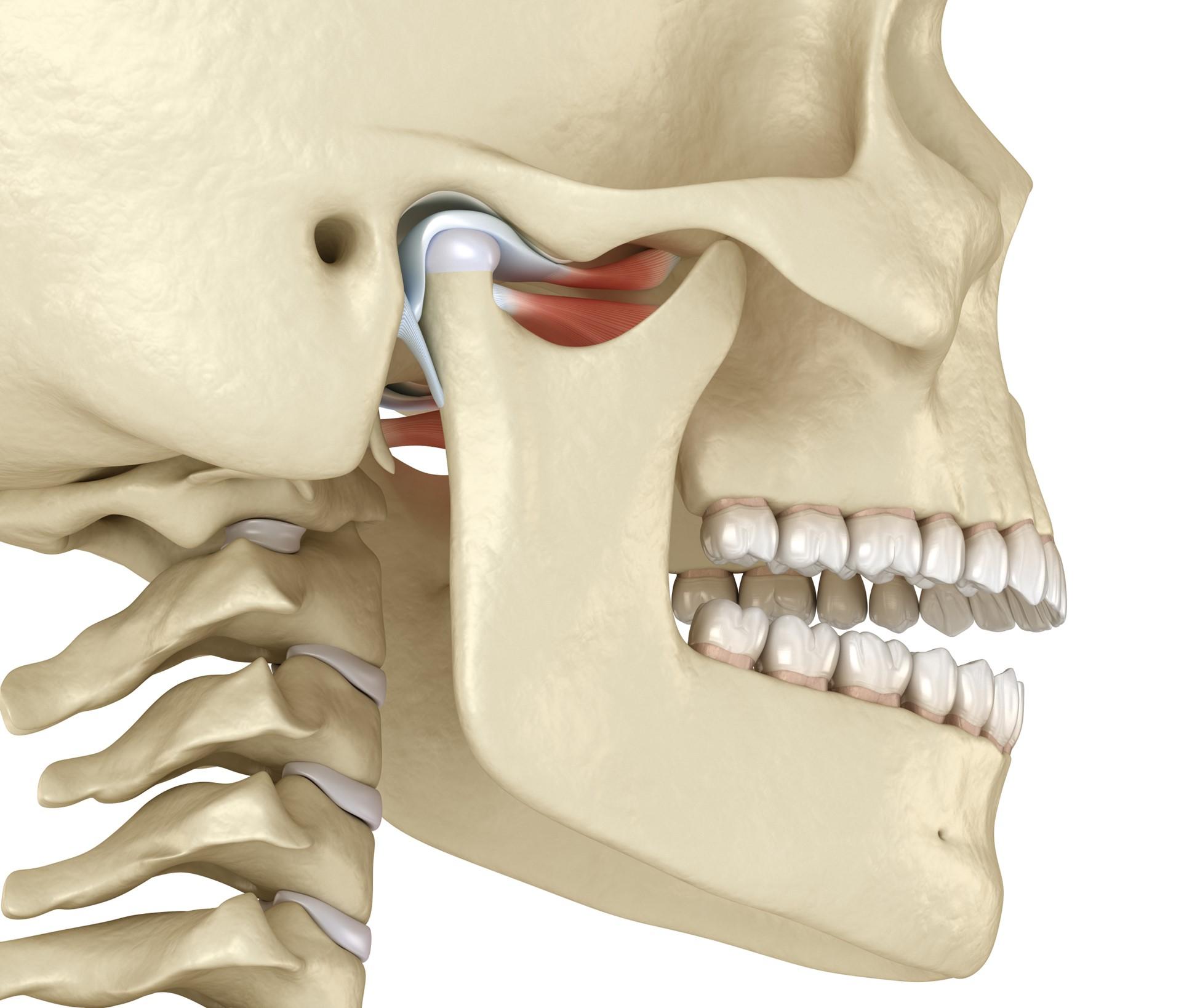
You want to improve your smile, but you also experience jaw discomfort, clenching, clicking, or occasional locking. Does that mean porcelain veneers are not an option?
Having TMJ symptoms does not automatically rule out veneers. It does mean those symptoms should be evaluated before making permanent changes to your teeth.
As a prosthodontist, my clinical work includes both porcelain veneer rehabilitation and the evaluation and management of TMJ-related concerns. I previously served as Program Director of NYU’s Advanced Esthetics and Occlusion program, where I taught dentists how to integrate smile design with functional restorative planning.
For patients with jaw symptoms, veneer treatment requires more than choosing a tooth shape and shade. It requires understanding the condition of the teeth, the demands placed on the restorations, and whether another concern should be addressed first.
Understanding Your TMJ Symptoms Before Treatment
“TMJ” refers to the temporomandibular joint—the joint connecting your lower jaw to your skull. Temporomandibular disorders, or TMDs, include conditions affecting these joints and the muscles involved in chewing.
Not every symptom has the same significance. Painless clicking is different from persistent pain, repeated locking, or restricted opening. Joint sounds without pain are common and often do not require treatment.
Before recommending veneers, I want to understand:
- When your symptoms began and whether they are changing.
- Whether discomfort occurs with chewing, upon waking, or after prolonged mouth opening.
- Whether your bite recently started feeling different.
- Whether teeth or previous restorations have repeatedly fractured.
- Which treatments or appliances you have already tried.
These details help guide the examination and determine whether additional testing or referral would be useful.
The decision is individual. A patient with occasional painless clicking may need a different approach from someone experiencing active pain, progressive bite changes, or recurrent locking.
Veneers Should Not Be Presented as a Cure for TMD
Veneers can improve the appearance of appropriately selected teeth. They are not an established treatment for temporomandibular disorders.
Preparing healthy teeth simply to “correct TMJ” is not a conservative starting point. NIDCR advises caution with irreversible treatments that permanently change the teeth or bite for TMD. Research also does not support the general assumption that a “bad bite” causes these disorders.
For a patient who has both a legitimate restorative need and jaw symptoms, these are related planning considerations—but separate treatment decisions.
The questions are: Are veneers appropriate for these teeth? What is causing the discomfort? And what sequence of care makes sense?
Why Veneers Keep Chipping or Coming Off
A veneer that repeatedly fractures or debonds deserves investigation before another replacement.
Fracture and debonding are recognized veneer complications. Neither automatically proves poor treatment, and neither establishes that a patient has a TMJ disorder.
A diagnostic second opinion may examine several factors:
The underlying tooth. Remaining tooth structure, existing fillings, cracks, and dental health influence the restorative options.
The veneer itself. Its design, thickness, fit, and bonding interface need assessment.
How the teeth contact. Contacts during closing and jaw movement may help explain the pattern of damage.
Repeated loading. Clenching, grinding, biting hard objects, and other habits can place additional demands on restorations.
The history of failure. One veneer repeatedly coming loose is different from multiple restorations fracturing across the mouth.
Clinical studies have associated bruxism with increased veneer complications. That does not make veneers impossible for everyone who grinds, but it does make risk assessment and maintenance particularly relevant.
Replacing porcelain without understanding why it failed may leave the original problem unresolved.
Stabilization Splints Before and After Veneers
An oral appliance can serve different purposes. It may be prescribed to protect restorations, support management of selected jaw symptoms, or form part of a reversible phase of evaluation.
Those purposes should be explained clearly. Protecting porcelain is not the same as treating a pain condition.
For patients with bruxism, some clinical studies have reported better veneer outcomes among those wearing prescribed occlusal splints. However, an appliance does not eliminate clenching or guarantee that a veneer will never fracture.
Before starting appliance therapy, patients should understand:
- What the appliance is intended to accomplish.
- When and how long it should be worn.
- How its effect will be assessed.
- Which symptoms should prompt reassessment.
After veneers are placed, an existing appliance may require adjustment or replacement. Bring it to your appointments rather than forcing it over newly restored teeth.
Different Appliances Have Different Indications
A stabilization splint, anterior guide plane, and anterior repositioning appliance are not interchangeable.
A full-coverage stabilization splint provides a prescribed contact surface and may protect teeth and restorations. It is also sometimes used in symptom management.
An anterior guide plane uses contact on anterior teeth to disengage posterior contacts in selected circumstances. Partial-coverage designs require careful selection and monitoring because unwanted tooth movement or bite changes can occur.
An anterior repositioning appliance temporarily holds the lower jaw forward for selected symptomatic joint conditions. It is not a routine protective appliance for veneers, and permanent disc recapture should not be promised.
The appliance should follow the diagnosis, with a defined purpose, duration, and follow-up plan.
Jaw Pain After Veneers: What Should Be Evaluated?
Pain beginning after veneer treatment deserves attention. The timing matters, but timing alone does not identify the cause.
An assessment may include the treated teeth, restoration contacts, chewing muscles, joint movement, and previous symptom history. Tooth sensitivity, muscular soreness, and joint pain can require different investigations.
When a specific restoration-related problem is identified, it may need correction. Extensive reshaping or replacing multiple restorations should not be the default response to unexplained facial pain.
Persistent or worsening pain, locking, reduced opening, or a new bite change warrants assessment. Complex or atypical symptoms may require coordination with an orofacial pain clinician, endodontist, oral surgeon, or another appropriate provider.
TMJ MRI vs. CBCT: Which Test Is Appropriate?
MRI and CBCT answer different questions.
MRI evaluates soft tissues, including the position and shape of the joint disc and the presence of joint fluid.
CBCT evaluates bone, including the joint’s bony anatomy, degenerative changes, suspected resorption, and certain injuries.
CBCT uses ionizing radiation; MRI does not. Neither replaces a clinical examination, and an imaging finding does not necessarily explain a patient’s pain. The choice should follow the suspected condition and whether the result could change management.
Advanced imaging is not automatically necessary simply because someone wants veneers or reports a clicking joint.
Why Consider a Prosthodontist for a Complex Veneer Case?
Prosthodontics is a recognized dental specialty focused on restoring and maintaining oral function, comfort, appearance, and health. Prosthodontists complete additional specialty education after dental school.
“Cosmetic dentist” describes a clinical focus rather than a separately recognized dental specialty.
Specialty training can be particularly relevant when veneer planning involves substantial wear, previous restoration failures, existing crowns or implants, or full-mouth rehabilitation.
A specialty credential does not guarantee an outcome, and general dentists can provide excellent veneer treatment. Patients should also consider the clinician’s experience with comparable cases, diagnostic approach, communication, and maintenance planning.
My background in prosthodontics, esthetics, and occlusion informs how I approach patients whose smile goals overlap with functional concerns. The aim is to determine what treatment is appropriate—not to assume that every concern requires a restorative solution.
What About Snoring and NightLase?
Sleep concerns deserve a separate assessment. Snoring does not establish the cause of jaw pain or grinding, and a stabilization splint is different from an appliance prescribed for obstructive sleep apnea.
Core Smiles offers NightLase for selected patients with snoring concerns. A small sham-controlled trial reported improvement in snoring outcomes, but that does not establish reliable treatment of obstructive sleep apnea or permanent results. The broader evidence remains limited.
Breathing pauses, gasping, or excessive daytime sleepiness should prompt appropriate medical evaluation. Quieter snoring alone does not confirm that sleep apnea is controlled.
Veneer Consultations in NoMad, Near Murray Hill and Kips Bay
Core Smiles is located at 1182 Broadway, 4th Floor, in NoMad, welcoming patients from Murray Hill, Kips Bay, and across NYC. www.coresmiles.com
If you are considering porcelain veneers and have jaw symptoms—or are seeking a second opinion about repeated veneer failures—bring previous treatment records, relevant imaging reports, and any current appliance to your consultation.
The evaluation should help answer three practical questions: Are veneers appropriate? Does anything need attention first? And how will the restorations be maintained?
To discuss your smile goals and functional concerns, schedule a consultation at Core Smiles.
Precision Dentistry. Personalized for You.
At Core Smiles, every visit is centered on you—your comfort, your goals, and your long-term health. From your initial consultation through your final result, we deliver an experience that is seamless, personalized, and carefully curated